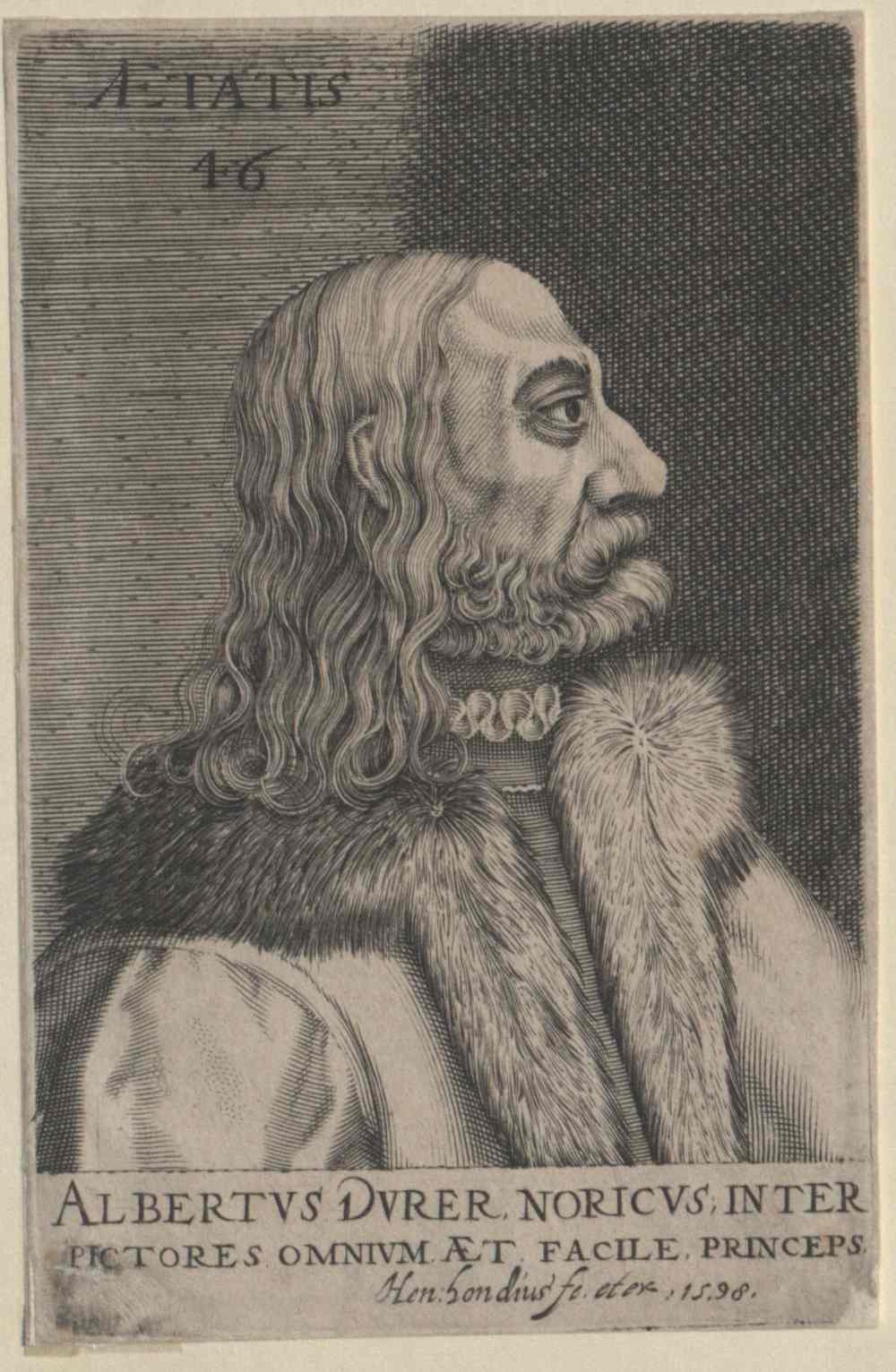
Are you one of the art historians and data-scientists taking part in the Coding Dürer hackathon? Do you want to know what Europeana offers for research? Like the organisers of Coding Dürer, we believe that digitized cultural heritage content has huge potential for digital humanities and multidisciplinary research.
Europeana offers the hackathon participants access to more than 54 million digitised items and related metadata from more than 3500 of Europe’s galleries, museums, archives and libraries. Europeana Art is our dedicated thematic collection designed to promote discovery of Europe’s art. Here you can browse 1.4m objects, get inspired by specially curated editorial features and search by topic, artist, museum and colour. Encouraging people to give new life and meaning to our re-usable content – currently 20.8m records in our entire collection – is one of the ways we can harness the full value of cultural heritage.
On Europeana Labs you can access a range of resources and services to help you get working with our cultural collections as quickly and as easily as possible. There, you can find a showcase of tools and applications built using the Europeana API and a series of openly licensed datasets featuring the best free-to-re-use Europeana content. We have made available four Europeana APIs – all are free to access and use after a simple registration process. The REST API is the most frequently used – it enables users to filter records by a variety of data fields, from date and creator, to media type and size. The Europeana Linked Open Data service allows you to explore, access, and download metadata through our SPARQL endpoint. With the Europeana OAI-PMH service, users can harvest the entirety, or a selection of all Europeana metadata. Finally, the Europeana Annotations API allows users to generate, update, and retrieve annotations for objects in our collections.
Your use of Europeana data does not have to stop at Coding Dürer
On our platform you can also find funding and services to support creative, educator and researcher communities to reuse Europeana content. About twice a year we issue the Europeana Challenge, a themed call to creative professionals to present their best business ideas for the re-use of Europeana content. Outcomes are varied; business-oriented or educational, social or creative, but the proposals must be sustainable and meet the theme (which in the past has included fashion, art, and World War I). In 2017 we have also launched the first Europeana match funding call offering financial backing for proposed secondary educational resources using Europeana content.
Europeana Research provides opportunities for digital humanities researchers to answer a specific research question using Europeana content and research datasets. The annual Europeana Research Grants programme, first launched in 2016, is designed to support researchers employing digital humanities tools and methods to make the most of the full resources of Europeana (metadata, the API, etc.) to further their research. You can also become a member of Europeana Tech, our R&D community with a special focus on cultural heritage.
We are pleased that the team at Coding Dürer has facilitated this hackathon of art history data. We are even more thrilled that we have the opportunity to encourage you to explore beyond interdisciplinary research boundaries with Europeana’s art data. If you use our content or API, please share your progress with us on Twitter using @EuropeanaLabs and #CodingDurer. We are interested in featuring any promising ideas or prototypes that come out of the Coding Dürer Hackathon on Labs – email us to show us more. For now, all the best for a productive and inspiring week at Coding Dürer – we are looking forward to seeing the outcomes. #Allezculture!


Stay in touch!
Europeana Labs website / newsletter sign up / Twitter / email us
Europeana Research website / Twitter
Europeana Tech website / Twitter